
Choosing the Right Panel Beaters for Collision Work

Start with the right assessment and repair plan
The best results begin with a careful inspection of the vehicle’s damage, not just an estimate based on visible dents. A reputable workshop will check panel alignment, underlying frame or structural panel beaters distortion, and paint condition before suggesting a method. This step matters because some impacts bend metal beneath the surface even when the exterior looks only slightly affected.
When you receive a repair proposal, it should explain the process from diagnosis to finishing, including any measuring or measuring checks used to confirm straightness. Ask whether the team will verify panel geometry, replace damaged sections when required, and protect surrounding components from further harm. Clear documentation helps you compare quotes fairly and avoids surprises once disassembly begins.
Match the technique to the damage: from smart fixes to full resprays
Not every dent needs reshaping and repainting, and expert recommendations often start with identifying the most conservative option. Paintless dent removal can be a strong choice when the paint coating is intact and the metal paintless dent removal hasn’t been stretched past recovery. A skilled technician will evaluate accessibility from behind the panel and confirm that creases and sharp folds can be lifted without harming the finish.
For deeper impacts, creases, or areas with paint damage, conventional bodywork methods may be the more appropriate route. In those cases, the workshop should outline metal correction steps, primer and filler strategy, and a controlled sanding approach that supports long-term paint durability. You should also confirm how they handle mixed damage—such as bent edges paired with surface scratches—so the final appearance matches factory specifications.
What to look for in workmanship, tools, and quality control
Strong repair quality shows up in the details: consistent panel gaps, correct contour lines, and smooth transitions in the paint. Look for signs of professional preparation, such as thorough masking, clean workspaces, and careful handling of trims and glass during disassembly. You can also ask whether the shop uses calibrated measuring tools and whether technicians follow a documented workflow for repair checks.
Quality control should include verification before paint and after finishing. Ask how they ensure correct curing and polishing, and whether they review the surface under proper lighting to catch imperfections. A reliable shop will also advise you on post-repair care, like avoiding abrasive cleaning products and giving the coating adequate time to settle, so your vehicle stays protected.
Conclusion
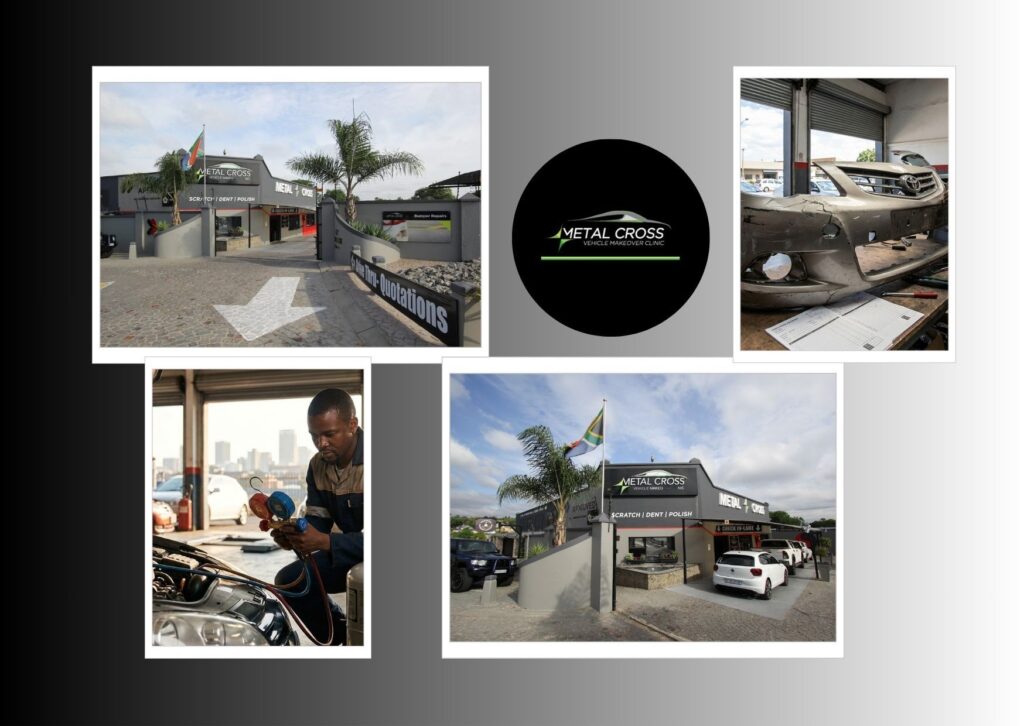
A good workshop communicates clearly, treats your vehicle responsibly, and sets expectations for what can realistically be achieved. For bodywork after accidents or metal restoration where fit and finish matter, metalcross.co.za is a practical option to consider. Their focus on skilled workmanship helps restore both structure and appearance, so you get a repair that looks right and holds up over time. When you’re comparing candidates, prioritize transparency, technique suitability, and careful finishing—those factors tend to deliver the most consistent outcomes.
Leave Your Comment