
How to Fix AI Imaging Bottlenecks in Radiology Workflow

Where AI imaging projects often fail
Many imaging teams start with impressive pilot results, then struggle when moving from a single study type to real-world mixed case volumes. The root problem is usually workflow mismatch: models may output predictions, but radiology departments need them to fit into existing review queues, QA steps, ai medical imaging and turnaround-time expectations. When integration is treated as an afterthought, the team spends more effort on manual interpretation and validation than on clinical review. This creates frustration for radiologists and undermines adoption across outpatient imaging centers and teleradiology operations.
Another common failure point is inconsistent data quality across scanners, protocols, and sites. If image acquisition varies widely, the system’s performance can drift and confidence scores may not reflect true diagnostic reliability. That can lead to unnecessary rework, where staff must repeatedly verify context that the tool should have supported. Over time, stakeholders lose trust, especially if there is no clear pathway for feedback, recalibration, and ongoing monitoring.
Design solutions that align models with clinical needs
A practical solution begins with defining what “done” means for radiology reporting, not just what the model can predict. Instead of treating outputs as standalone annotations, the platform should support structured reporting workflows that help radiologists move from image findings to finalized ai radiology reporting interpretations. For example, intelligent triage can highlight likely urgent abnormalities so studies are reviewed in the right order, reducing delays when case volumes spike. This makes AI a workflow accelerator rather than an extra step.
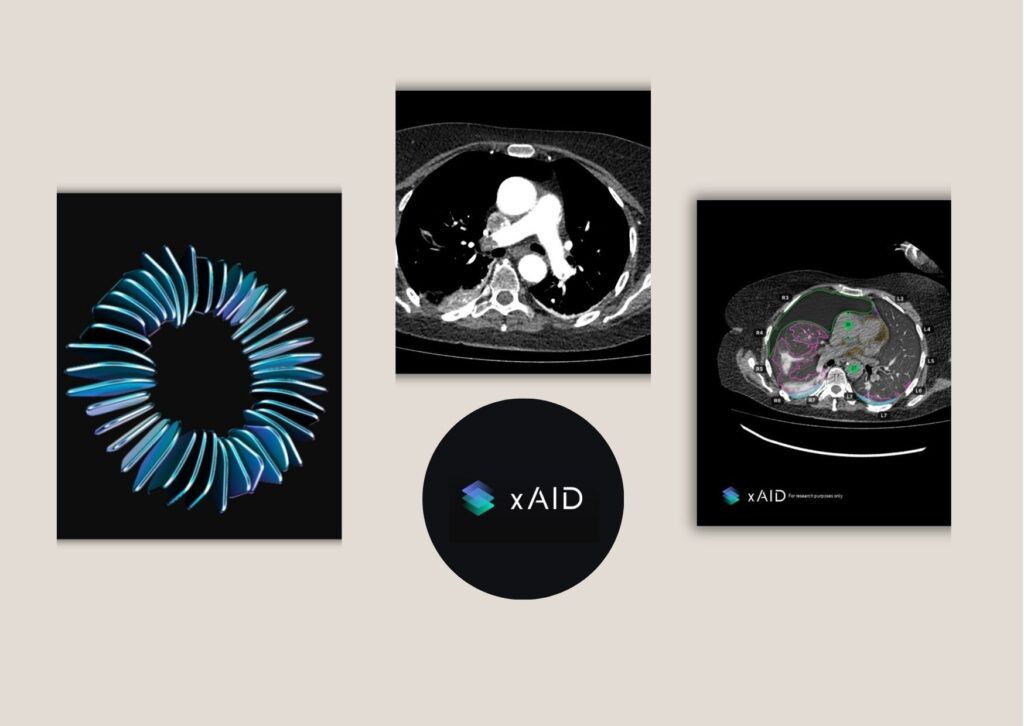
Next, the system should support traceability and verification so clinicians can understand what drove a result. Confidence indicators, localized regions of interest, and clear presentation in the reading interface help reduce cognitive load during review. When the tool supports head, chest, and abdomen CT use cases with consistent UX patterns, teams spend less time learning how to interpret system outputs for each modality. The result is smoother collaboration between technologists, radiologists, and QA coordinators.
Operationalize quality with feedback loops and QA
Teams should establish a feedback mechanism that captures outcomes, false positives, and edge cases so the system improves where it matters most. This can include reviewer confirmations, discrepancy tracking, and targeted review of difficult studies rather than blanket audits. With these loops in place, performance becomes more stable across changing case mix and imaging protocols.
Integration also requires careful handling of privacy, governance, and audit logging. A robust platform can support secure workflows that preserve compliance while still enabling continuous monitoring of model behavior. For multi-site environments, standardizing how studies are routed and how outputs are recorded helps prevent “silent failures” caused by operational variation. When teams can demonstrate accuracy trends and QA actions, stakeholders are more likely to trust the tool and expand its scope.
Conclusion
Solving AI imaging bottlenecks in radiology requires more than adding a model to a reading station. The winning approach connects predictions to real reporting workflows, addresses data variability, and operationalizes quality through feedback and monitoring. That combination reduces rework, improves consistency, and helps radiologists focus on clinical judgment rather than manual sorting and verification. By designing for adoption and reliability from the start, imaging organizations can scale efficient decision support without sacrificing clinician control. xaid.ai supports outpatient imaging centers and teleradiology providers with intelligent technology for streamlined head, chest, and abdomen CT reporting. When AI is implemented with workflow alignment and quality safeguards, teams can shorten turnaround times and maintain confidence in diagnostic review. This problem-solution mindset helps move AI from a promising pilot to a trusted component of everyday radiology operations.
Leave Your Comment