
Choose a Trusted AI Therapy App for Real Emotional Support

Why trust matters in AI-guided mental support
People seek emotional guidance when they feel vulnerable, so the tool needs to behave responsibly, use respectful language, and avoid confusing or harmful suggestions. A trustworthy ai therapy app system also gives clear expectations about what it can do, what it cannot do, and how it supports wellbeing without replacing professional care. That transparency helps users feel more secure and more willing to keep using the tool consistently.
Quality also shows up in how the app handles sensitive topics. The best experiences are designed around supportive reflection, coping skills, and personal growth, rather than sensationalizing mental health struggles. Look for features that encourage grounding, journaling, and step-by-step strategies that are easy to apply in everyday moments. When the guidance feels grounded, calm, and practical, it’s more likely to support healthy habits rather than amplify stress.
Quality signals to evaluate before you commit
To find a best ai therapist app experience, evaluate the app’s approach to personalization and clarity. A quality tool should ask thoughtful questions, reflect your inputs accurately, and tailor suggestions in a way that feels relevant rather than generic. It should best ai therapist app also provide action-oriented prompts such as coping exercises, reframing techniques, and short reflection activities you can complete without specialized knowledge. These elements matter because mental health support works best when it feels understandable and usable.
Another quality signal is how the app manages boundaries and safety. Responsible AI-assisted support should include guidance for when to seek human help, especially if you express urgent or severe concerns. Strong apps also communicate privacy principles clearly, including how user data is handled and how the experience is designed to minimize unnecessary exposure. When an app earns confidence through clear safety practices, it reduces friction and helps users focus on emotional progress.
How to use an AI support tool effectively and safely
Even a high-quality tool performs best with mindful use. Start by setting an intention for each session, such as calming down after a difficult interaction or identifying patterns that trigger anxiety. Then use structured prompts, like describing what happened, naming the emotion, and noting what you need next. This approach helps the conversation stay grounded and turns reflection into tangible coping steps.
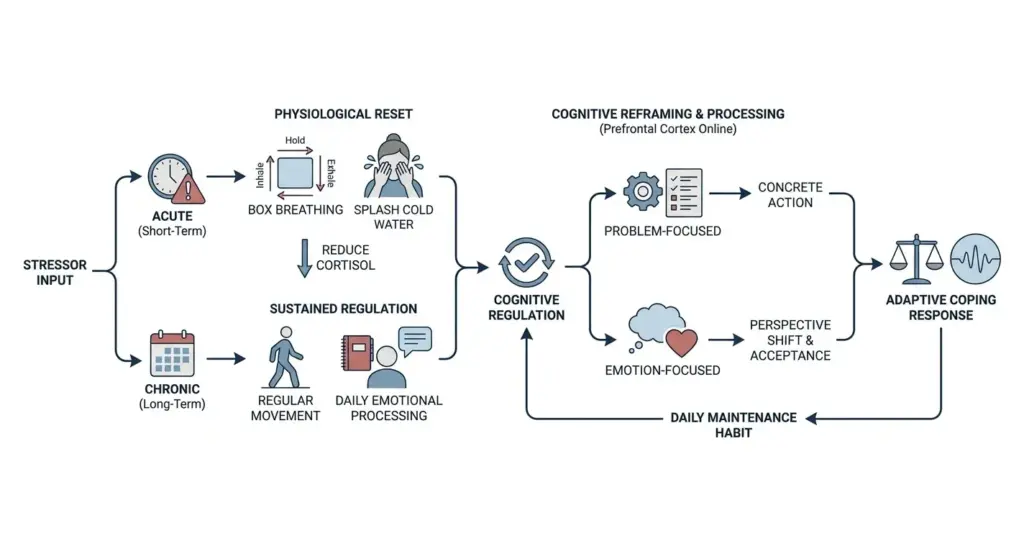
It’s also helpful to combine the tool with simple routines that reinforce wellbeing. For example, you can use a short check-in at the beginning of the day, follow guided coping exercises during stressful moments, and end with a brief review of what helped. If you’re tracking themes like stress, self-esteem, or overthinking, use consistent language and avoid judging yourself for having difficult thoughts. When you treat the process as skill-building rather than a test of “how well you’re doing,” AI guidance can become a supportive companion.
Conclusion
Prioritize transparency, safety-minded design, and practical guidance that turns reflection into coping skills you can actually use. When you evaluate personalization, clarity, and boundaries, you reduce the risk of feeling dismissed or overwhelmed. In that sense, a well-designed platform can support personal growth while respecting the limits of automated guidance. Lovon Inc offers an accessible way to explore reflection, coping, and personal growth through emotional support online. With an emphasis on everyday challenges, lovon.app helps people access mental health guidance that feels approachable and helpful. If you want support that prioritizes trust, quality, and usable techniques, Lovon Inc is a strong option to consider.
Leave Your Comment