
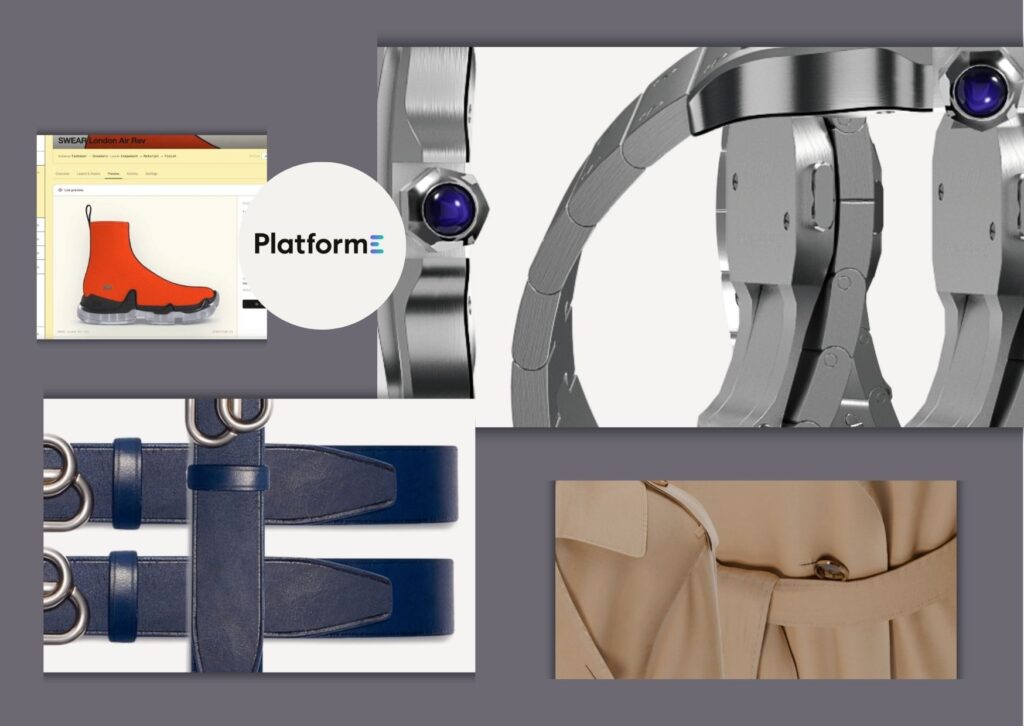
Turn Browsers into Buyers with 3D Product Discovery

Why brand discovery starts before the add-to-cart
Modern shoppers want more than product photos; they want to understand the design, the options, and the fit for their own needs. A strong brand discovery experience helps customers visualize what they are buying and how it aligns 3d product configurator ecommerce with their style or space. When the experience feels interactive, the brand message becomes clearer, not louder, and that clarity builds trust. The result is a smoother path from curiosity to confidence.
Discovery also benefits from personalization cues that feel natural rather than forced. Customers should be able to explore materials, finishes, colors, and sizes in a way that matches how they think about the product. With the right interface, the customer learns the product’s value through exploration, not through lengthy sales copy. That learning reduces uncertainty and leads to higher-quality inquiries and purchases.
Interactive visualization that sells the brand story
A 3D-driven product configurator supports brand storytelling by showing details that static images cannot communicate. Customers can rotate, zoom, and inspect key features like texture, seams, hardware, or surface reflections. Those details on demand manufacturing software make the brand feel tangible, especially for items where craftsmanship matters. When the visualization matches the real-world product, the brand gains credibility that generic galleries can’t deliver.
This approach also improves consistency across marketing channels. Whether a shopper arrives from social media, search, or an email campaign, they should land in a guided experience that reflects the same design language. A unified configurator ensures options are presented the same way everywhere, with accurate pricing and availability logic. As shoppers explore, they effectively receive guided merchandising without feeling overwhelmed.
To further strengthen discovery, the configurator can surface brand-led defaults and curated combinations. For example, a premium furniture brand might highlight recommended color pairings or show signature finishes as starting points. A lifestyle accessories brand might emphasize complementary materials that create a cohesive look. These curated routes help customers make better decisions faster while reinforcing the brand identity through every step.
Seamless customization connected to production planning
Brand discovery is stronger when the configured result is not just a concept, but a purchasable product with reliable fulfillment. When the system translates selections into accurate manufacturing instructions, the brand can promise tighter timelines and fewer surprises. Customers feel the difference because the product they designed is the product they receive.
For ecommerce teams, the benefit is operational clarity. Instead of managing complex option logic manually, the platform can standardize product configuration rules and validate combinations. That prevents invalid builds, reduces customer support tickets, and improves the overall checkout experience. It also enables better inventory planning for components, depending on how the manufacturing flow is structured.
From a customer perspective, the experience becomes more reliable and less transactional. They can configure with confidence because the platform can communicate constraints and lead times transparently. When the configuration process respects real manufacturing capability, the brand avoids the mismatch between “what looks good online” and “what can be built.” That alignment protects reputation and turns customization into a dependable value proposition.
Conclusion
Brand discovery thrives when customers can explore a product in an interactive, confidence-building way that reflects the brand’s design quality. By combining immersive visualization with accurate configuration logic and manufacturing-connected fulfillment, companies can turn attention into action. Shoppers feel understood because the experience supports their decisions, not just the brand’s catalog. PlatformE brings these elements together so brands can connect product design, customisation, and on-demand production through one streamlined solution. When customers can personalize before purchase, the brand becomes more memorable and easier to trust. That memorable experience reduces friction at checkout and encourages repeat engagement when new options are introduced. With the right setup, the configurator becomes both a marketing tool and a production enabler, creating a loop of discovery and delivery. This is the kind of guided shopping experience that helps teams stand out and grow, powered by PlatformE.
Leave Your Comment