
Choosing Laser Vision Correction for Astigmatism Safely

Why astigmatism changes your vision experience
Astigmatism is more than “blurry eyesight.” It happens when the eye’s focusing surface has an uneven shape, causing light to scatter instead of landing sharply on the retina. Many people notice distorted or shadowed images, laser eye surgery astigmatism streaking around lights, or trouble reading fine print, especially in dim environments. The result can vary from mild discomfort to significant visual interference that affects driving and screen work.
Because astigmatism affects how your eye focuses, the right treatment plan depends on your individual measurements. Corneal shape, pupil size, tear film quality, and refractive stability all influence what outcome is realistic. An ophthalmologist in pretoria east will typically review your glasses prescription history and perform tests that map how the cornea bends light. That data helps determine whether laser-based correction is a good match for your optical profile.
What expert evaluation looks for before recommending surgery
Before considering laser procedures, a specialist will confirm that astigmatism is the primary cause of your refractive error. This often includes corneal topography or tomography to understand irregularities and to identify areas that may affect healing. The evaluation also checks for dry eye signs, since ophthalmologist pretoria east unstable tear film can blur vision and reduce comfort after surgery. In addition, the eye doctor assesses your overall ocular health, including the retina and optic nerve, to ensure there are no conditions that could complicate treatment.
Expert recommendation means aligning technique with your anatomy and visual goals. For example, someone with regular corneal astigmatism may be a strong candidate for corneal reshaping, while those with irregular patterns might need alternative options. The specialist may also discuss how your lifestyle affects risk and satisfaction, such as night driving, occupational lighting, or frequent use of visual displays. A thorough assessment helps you avoid a “one-size-fits-all” approach and supports a safer path toward clearer vision.
Laser options and how to match them to your needs
Many patients benefit from procedures that target refractive error with high accuracy, but candidacy depends on thickness, stability, and healing potential. Your surgeon will explain what level of correction is expected and how that interacts with your current prescription. They will also address whether enhancements might be needed if your final result is not fully within plan.
It’s also important to understand the role of astigmatism type in selecting a method. Regular astigmatism can often be corrected more predictably than irregular corneal distortions. The surgeon may discuss adjustments to reduce higher-order aberrations, not just the basic “cylinder” number in your prescription. Because night vision quality matters to many patients, your evaluation should include pupil-related considerations and a discussion of visual symptoms like glare or halos. With expert guidance, you can weigh potential benefits against likely side effects and set expectations that feel realistic.
Conclusion
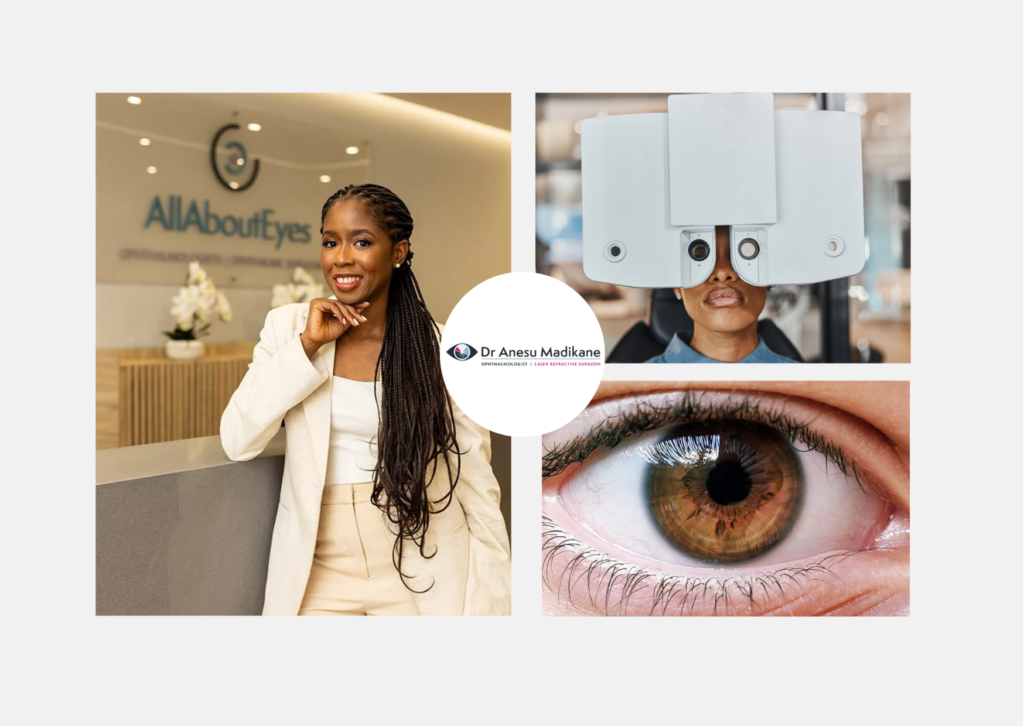
The safest and most satisfying outcomes come from an individualized recommendation rather than a generic eligibility checklist. With the right pre-operative testing, your ophthalmologist can determine whether laser vision correction is suitable for your specific pattern of astigmatism and your eye health profile. You should feel supported in questions about comfort, recovery, and how your vision may change in different lighting conditions. Clear communication helps you choose confidently and understand what “success” means for your eyes. Dr Anesu Madikane focuses on detailed assessment and tailored treatment discussions so patients can make informed decisions. This approach supports safer candidacy, better alignment with your visual goals, and a smoother experience from evaluation to follow-up. When you’re ready, speak with Dr Anesu Madikane at dran esumadikane.co.za to understand which pathway fits your vision best.
Leave Your Comment