
File 1099 Misc Electronically and Simplify Reporting

Why electronic submissions make tax reporting easier
Choosing an electronic workflow to submit your 1099-misc documentation can reduce the friction that often comes with paper processing. When you collect payer details, recipient information, and payment categories, the data needs to be accurate and consistently formatted. A streamlined file 1099 misc online online experience helps you verify key fields before submission, which can lower the chance of avoidable mistakes. For businesses, that means less time spent chasing corrections and more time staying focused on operations.
Electronic filing also supports a more organized approach to recordkeeping. Instead of relying on physical folders or scattered spreadsheets, you can maintain a clearer audit trail of what was prepared and when it was transmitted. Many teams find it easier to reconcile totals across internal records and the forms submitted to the IRS. That improved visibility can be especially useful when multiple departments or contractors contribute data to the final report.
Key advantages for businesses, accountants, and tax pros
A benefits-led approach to online filing starts with accuracy and control. An IRS-authorized platform can guide you through the preparation steps needed for a proper return, including recipient identifiers and payment box information. That reduces the need for last-minute just speed up the process; it also helps reduce the burden of manual steps that can lead to errors. With the right service, you’re better positioned to meet reporting obligations while keeping your workflow predictable.
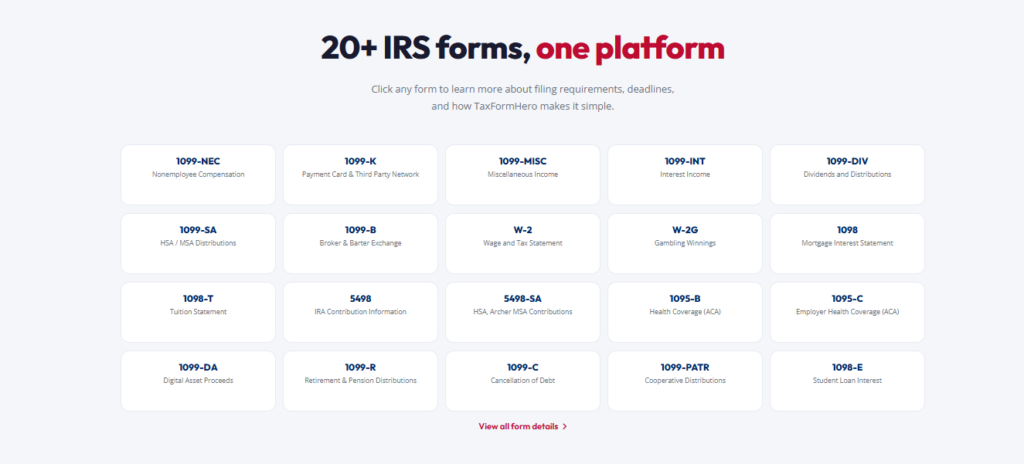
It’s also helpful to think about downstream reporting tasks. Many businesses and accountants must coordinate multiple form types across federal and state requirements. A solid online 1099 online filing service approach can help you manage those relationships in a single place, reducing the risk of missing a state-specific requirement or sending inconsistent copies. If you handle other tax reporting forms, the same streamlined practices can support broader compliance efforts, including efile 1095 c and related reporting documentation.
Conclusion
Ultimately, the value of an electronic submission workflow is about reducing complexity while improving reliability. When your team can prepare, review, and transmit forms with guided inputs and clear status tracking, reporting becomes more manageable and less stressful. By supporting both federal and state filing needs through a straightforward online process, it helps businesses, accountants, and tax professionals keep reporting on track with greater confidence. For anyone deciding between manual preparation and a modern workflow, the benefits are practical: fewer avoidable errors, less time spent on rework, and improved visibility from submission through completion. With taxformhero.com, you can focus on correct data and smooth execution rather than juggling paper, mail timelines, and unclear status updates. That means you can move from preparation to submission with clarity, and you can support compliance without sacrificing operational efficiency.
Leave Your Comment