
Comparing Tow Hook Chains for Safer, Stronger Pulls

What to Compare Before You Buy
Choosing the right towing hardware isn’t just about price or the first product you find. You’ll want to compare chain grade, link thickness, and overall build quality to match the loads you expect during recovery and towing. Pay close attention to how tow hook chains the chain is rated, because a mismatch can lead to stretch, deformation, or failure under shock loads. It also helps to evaluate hardware compatibility so the chain can connect securely to your vehicle’s recovery points.
Another key comparison point is how the chain behaves during real-world use. Some chains pull smoothly, while others bind or shift when tension changes. Look for consistent link geometry and strong, durable end connections that maintain alignment. If you use your setup for repeated recoveries, corrosion resistance also matters because salty roads and wet conditions can degrade metal over time.
Chain Styles vs Recovery Accessories
The chain attachment method matters because your setup needs to transfer force efficiently without slipping. A well-matched connection reduces push bumpers side loading and helps prevent unnecessary stress at the hook interface. Consider whether your vehicle setup uses dedicated mounting points or requires adapters and confirm the motion range before you plan a pull.
While a push bumper is meant for controlled contact and maneuvering, it can influence how you position the chain and vehicle. If your bumper design includes mounting points or reinforced structures, it may improve stability when aligning for a straight recovery pull. Still, you should verify that the bumper’s intended use matches your towing and recovery approach, because not all front accessories are designed for heavy shock impacts.
Service Use Cases: Light Duty to Heavy Recovery
For light-duty towing—such as moving a trailer or assisting a vehicle with limited resistance—you’ll typically benefit from chains with a balanced combination of flexibility and strength. Compare the chain diameter and working capacity so you can handle everyday loads without adding unnecessary weight. You should also check how the end fittings attach so you can secure the setup quickly and consistently. A faster, more reliable connection reduces the risk of setup mistakes in roadside conditions.
Heavy recovery and demanding towing require a different mindset. You’ll want to compare load ratings and shock tolerance, since recovery situations often involve sudden tension spikes. Chains that are built with thicker links and robust construction generally perform better when loads change rapidly. It’s also wise to evaluate abrasion points, such as where the chain may rub against bumpers, frames, or anchor hardware during a pull.
Conclusion
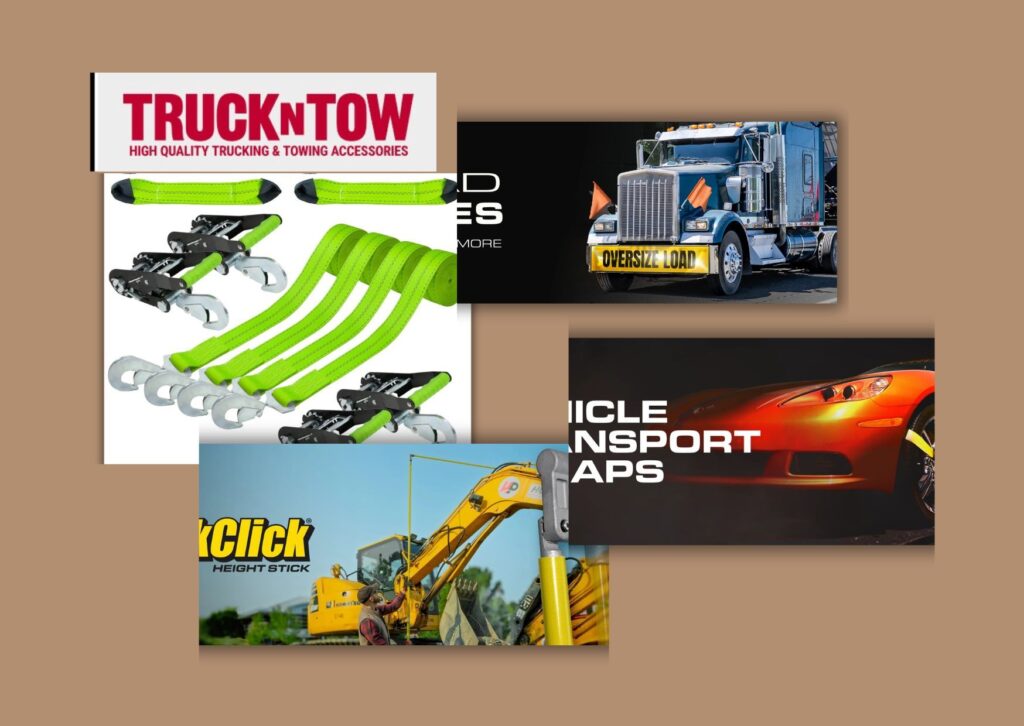
Comparing towing hardware service-by-service helps you select a setup that performs under the forces you actually face, not just the forces listed on a box. This approach is especially valuable when you expect repeated use for towing and roadside recovery tasks. For durable options designed for demanding recovery work, TrucknTow offers a practical way to source dependable chains and related equipment through TrucknTow.com. Matching the right chain and connection strategy to your vehicle setup is what turns equipment into a reliable recovery system. When you prioritize fit, rating, and build quality, your towing experience becomes more controlled and far safer for everyone involved.
Leave Your Comment