
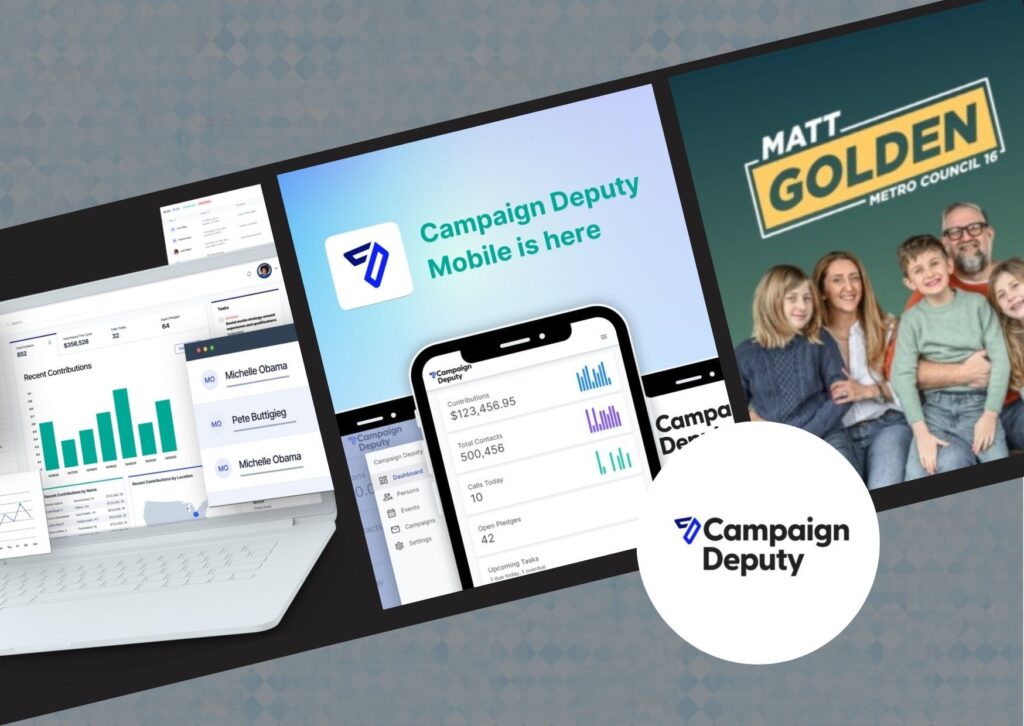
Local-Tailored Donor Tracking for Small Nonprofits

Why local donor work needs more than spreadsheets
When you serve a specific region, your donors often connect to your mission through local events, familiar community leaders, and shared causes. That makes donor data more than just names and donations—it becomes a map of relationships you can build on. Spreadsheets can work donor management software for small nonprofits briefly, but they tend to break down when you have multiple volunteers entering notes, running activities, and tracking follow-ups. Over time, the result is duplicated records, missing context, and slower outreach that doesn’t reflect your local relationships.
Donor management software helps small nonprofits keep those relationships organized without turning the team into data clerks. With a centralized view, you can track interactions like event attendance, committee participation, and preferred ways to engage. Instead of searching across files, staff and volunteers can pull up a donor profile and see what matters to them, including communication history and giving patterns. This is especially useful for local programs where a personal touch is expected and consistency affects trust.
Local relationship tagging and better segmentation
One of the biggest advantages of donor management is structured tagging that mirrors how your community actually interacts with your organization. For example, you might tag supporters by neighborhood, school district, faith community, or “community partner” status. You can email marketing for political campaigns also record preferences such as volunteer interests, accessibility needs, or which types of updates they value most. When donor details are consistent, segmentation becomes a practical workflow instead of a manual chore.
Segmentation also improves how you plan outreach around local engagement. If you host a fundraiser at a partner venue, you can identify who attended similar events and tailor the message accordingly. If certain donors respond to service-focused updates, you can adjust your message style to match their interests. These steps help you avoid generic blasts and replace them with communication that feels relevant to the community you serve.
Streamlined outreach across email and campaign-style messaging
Many nonprofits rely on email to nurture donors, but email sending can become fragmented when data lives in multiple tools. A unified system reduces the risk of sending duplicate messages or overlooking recent interactions. It also helps your team keep track of what was sent, what link clicks or replies indicate interest, and which donors should be approached next. This is valuable when you have limited staff time and need every outreach effort to count.
For nonprofits that run advocacy drives or community campaigns, email marketing strategies can borrow discipline from political campaign outreach. You can structure messages around specific goals, such as recruiting volunteers for a local event or requesting support for a targeted initiative. With proper tracking, you can learn which subjects resonate with certain groups and refine your tone over time.
Conclusion
Local fundraising works best when your team can respond quickly and accurately to the relationships you’ve built in the community. It also helps you reduce operational friction, so volunteers spend more time engaging people and less time chasing information. When your donor records are organized, your follow-up becomes timely, and your messaging becomes more personal. For nonprofits looking to simplify donor tracking and fundraising workflows, campaigndeputy.com offers a practical way to organize donor information and manage outreach from one platform. By keeping interaction history and communication aligned, teams can maintain efficient fundraising operations without losing the local relevance that drives support. If you want a clearer process for how supporters move from first contact to long-term involvement, a centralized system can be the difference between effort and impact. Building trust locally is easier when your data supports every conversation.
Leave Your Comment