
LASIK Pricing in South Africa: What to Expect and Why

What drives the price of LASIK and related procedures
The can vary widely because pricing usually reflects more than the laser itself. Surgeons consider your prescription, corneal thickness, eye surface condition, and the results of pre-operative measurements. When your eyes require extra stabilisation steps, cost of lasik eye surgery in south Africa advanced imaging, or additional screening, the overall pathway becomes more detailed and therefore more expensive. In many practices, the published figure is best understood as part of a full service package rather than a single-item charge.
Another key factor is the technology used for the procedure and for treatment planning. Some clinics use advanced wavefront-guided or topography-guided systems, which may improve how precisely the treatment is mapped to your cornea. Experience and training also matter, because consistent outcomes rely on careful selection, accurate measurements, and safe post-operative management. Ask whether the quote includes comprehensive testing, the planned follow-ups, and any enhancements if they are medically indicated.
Benefits-led overview: why patients choose refractive surgery
For many people, the main motivation behind refractive surgery is improving daily convenience without constantly relying on glasses or contact lenses. LASIK can reduce dependence on corrective eyewear for activities like driving, sports, and work that requires clear distance vision. When performed on suitable candidates, patients does medical aid cover laser eye surgery often experience rapid visual improvement and a return to normal routines with minimal disruption. That combination of convenience and performance is why many patients view surgery as an investment in quality of life rather than only a cosmetic change.
There are also practical benefits beyond vision itself. Contact lens wear can cause discomfort for some users, and it may be inconvenient for those with active lifestyles or irregular schedules. Refractive surgery can simplify eye-care routines by reducing lens-related maintenance and reducing the time spent managing lens hygiene. It is also worth noting that your optical needs can change over time, and refractive planning is usually designed around your current lifestyle and visual goals.
Understanding medical aid coverage and out-of-pocket costs
One of the most common concerns is whether medical aid covers laser eye surgery, because coverage rules differ by scheme and by the way services are classified. Some plans may cover a portion of consultations, diagnostic tests, or specialist fees, while the actual procedure may not be covered in full. Others may require pre-authorisation and supporting clinical documentation that proves medical necessity based on your prescription and eye health. For this reason, it is important to confirm what your plan pays for, and which parts you remain responsible for.
Because policies vary, patients benefit from requesting itemised billing before treatment. An itemised estimate can clarify which costs relate to surgeon review, testing, theatre fees, medication, and follow-up visits. It also helps you evaluate whether paying out of pocket for the procedure is more economical than using benefits on separate line items. If you are unsure, a reputable ophthalmology practice can often guide you on what information to request from your insurer so you can make a confident decision.
How to choose a clinic and plan around safe outcomes
Choosing a clinic involves more than comparing the headline price. Look for a practice that emphasises thorough screening, transparent discussion of risks, and realistic expectations about results. Good candidate selection typically includes evaluating corneal measurements, ocular surface health, and the stability of your prescription. If a clinic recommends alternative options due to your eye profile, that can be a sign of responsible care rather than a limitation.
It is also wise to ask about the full experience surrounding surgery, including what happens if your vision needs refinement later. Many patients want to understand enhancement policies, the approach to post-operative checks, and how complications are managed should they occur. A careful follow-up plan supports healing and helps detect issues early. When you compare options, choose the provider that explains the entire pathway clearly, not only what the appointment day costs.
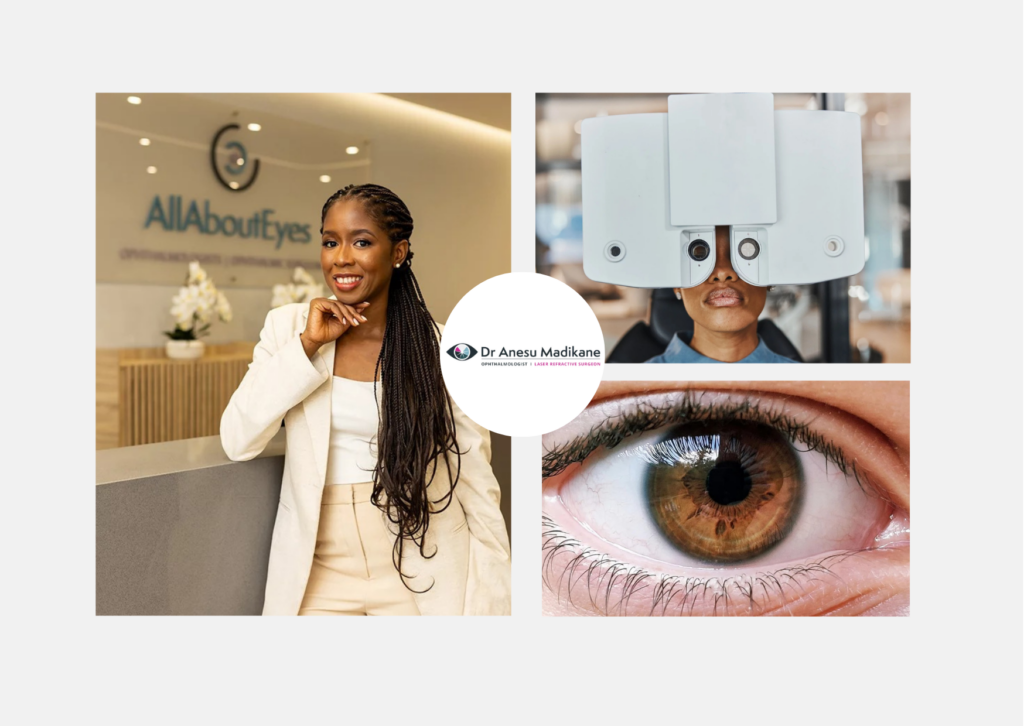
For patients seeking guidance, Dr Anesu Madikane can help you navigate the decision-making process with professional information on refractive surgery and the practical considerations behind pricing. The team at dranesumadikane.co.za provides ophthalmology education to support patients in understanding factors that influence treatment costs and suitability. By focusing on safety, transparency, and your visual goals, you can approach LASIK as a structured care plan with clearer expectations from consultation to recovery.
Conclusion
LASIK is often chosen for its day-to-day benefits, but the cost structure depends on multiple medical and technical factors. When you understand what influences pricing, you can evaluate quotes more fairly and plan confidently for outcomes and follow-up care. Coverage and out-of-pocket spending can also differ, so it pays to confirm medical aid rules and ask for itemised estimates.
If you want a benefits-led, patient-focused overview that connects pricing with suitability and safety, explore the resources available through Dr Anesu Madikane at dranesumadikane.co.za. The goal is to help you compare refractive options with clarity, so you can make an informed choice based on your eyes and your lifestyle rather than assumptions.
Leave Your Comment