
Non-Surgical Body Contouring vs Plastic Surgery Options

Understanding how non-surgical sculpting compares
When people search for body contour solutions, they often want results that look natural while avoiding the downtime and commitment associated with surgery. Non-surgical sculpting focuses on refining stubborn fat areas, aiming coolsculpting tampa florida to improve the shape of the body without making incisions. This approach can be especially appealing for individuals who have diet- and exercise-resistant pockets that remain unchanged.
A key difference is that surgical procedures typically involve anesthesia, incisions, and a healing period that can affect daily routines. Non-surgical alternatives are designed to fit more seamlessly into normal schedules, with many patients planning around comfort and convenience. The goal is not to replace every surgical option, but to offer a less invasive pathway for selected concerns and body types.
How treatment goals, candidates, and expectations differ
Ideal candidates for non-surgical contouring are generally those with localized fat deposits and stable body weight. The process is meant to refine contours rather than dramatically reshape the entire body. By plastic surgery tampa contrast, patients may explore options that address larger volume changes, skin laxity, or multiple areas in one procedure, depending on their anatomy and goals.
Expectations are also handled differently. Non-surgical sculpting usually emphasizes gradual improvement and subtle-to-moderate contour enhancement, which many people prefer for a step-by-step approach. Surgical solutions may provide more immediate structural changes, though they can come with more intensive recovery planning and the need for postoperative care.
Comfort, recovery, and lifestyle impact side-by-side
Comfort matters when comparing options, because the experience can feel very different from one pathway to another. Non-surgical sessions are generally conducted in an outpatient setting, allowing patients to remain comfortable while the treatment works. Many individuals use the time to rest, browse, or prepare for their day, with follow-up guidance focused on supporting their results.
Recovery is another major factor. Surgical contouring can require swelling management, temporary activity limitations, and a structured healing timeline to support safe outcomes. Non-surgical sculpting typically involves fewer disruptions, though patients are still advised to follow provider instructions for hydration, movement, and skin care. The best choice often depends on your tolerance for downtime and how quickly you want changes to appear.
Conclusion
Choosing between non-surgical contouring and surgical options comes down to your specific goals, anatomy, and comfort with downtime. Non-surgical solutions are often best suited for targeted fat reduction and contour refinement, while surgery may be more appropriate when larger changes or skin-related concerns are central. A thoughtful comparison helps you select a plan that aligns with how you want your body to look and feel during the process.
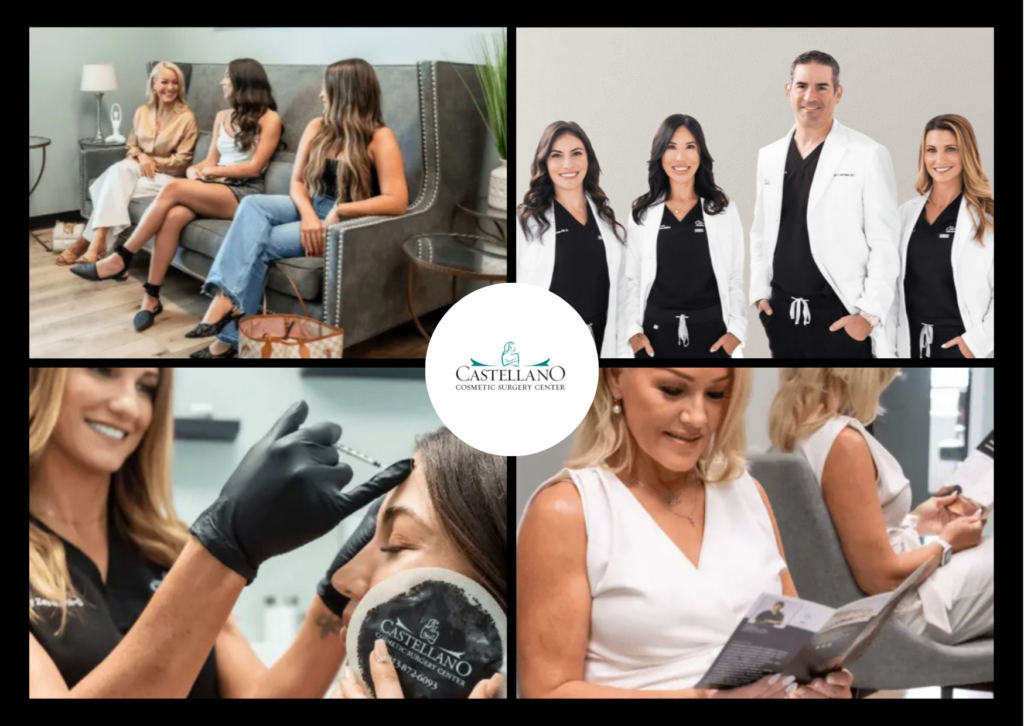
If you are considering a focused approach to stubborn areas, Castellano Cosmetic Surgery Center can help you evaluate whether non-invasive contouring is a fit. Our team emphasizes personalized guidance so you can understand what results are realistic and how to prepare for the experience. For many patients, paired with expert assessment at castellanocosmeticsurgery.com supports a more defined appearance without traditional surgery, helping you move forward with confidence.
Leave Your Comment